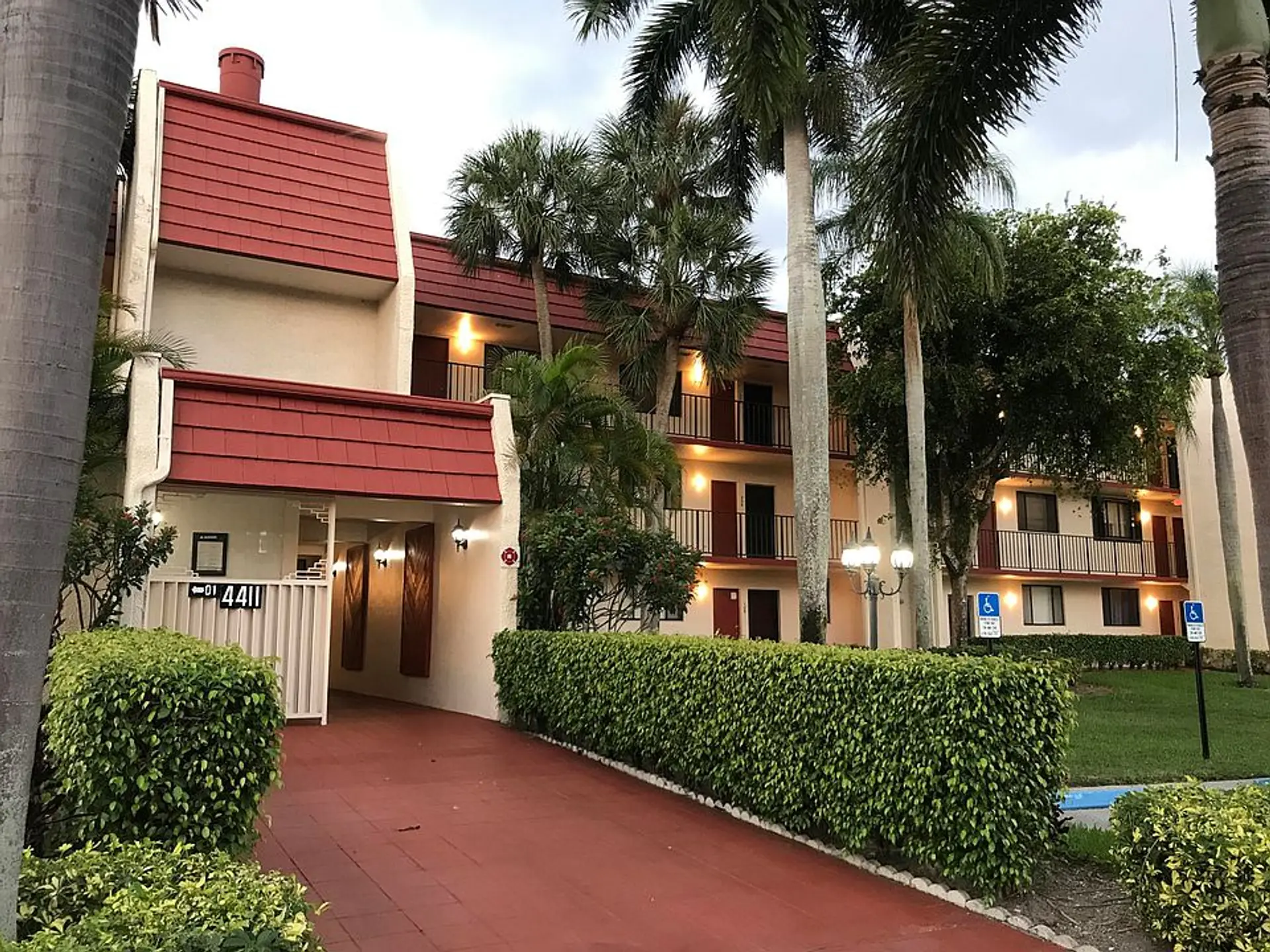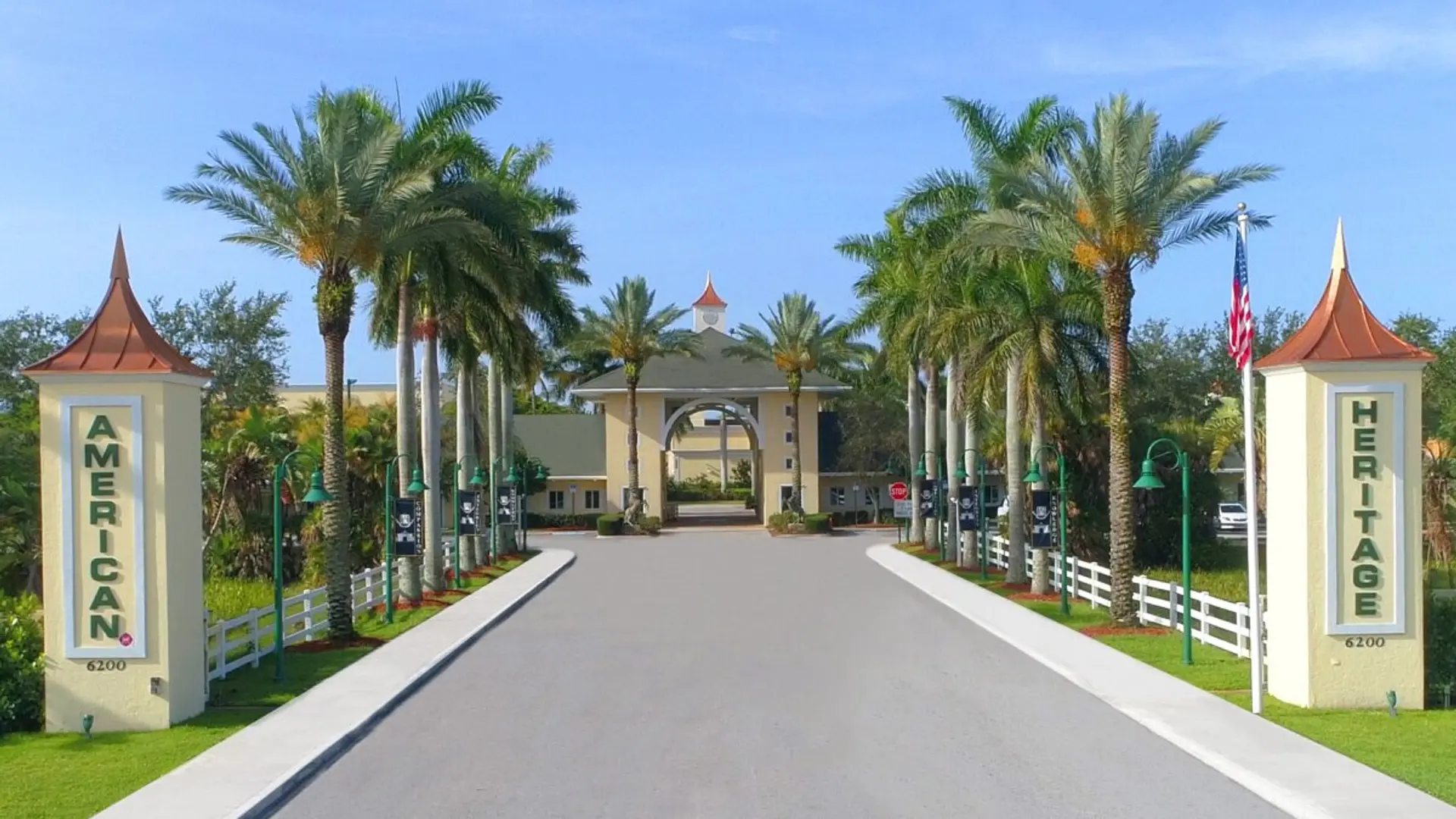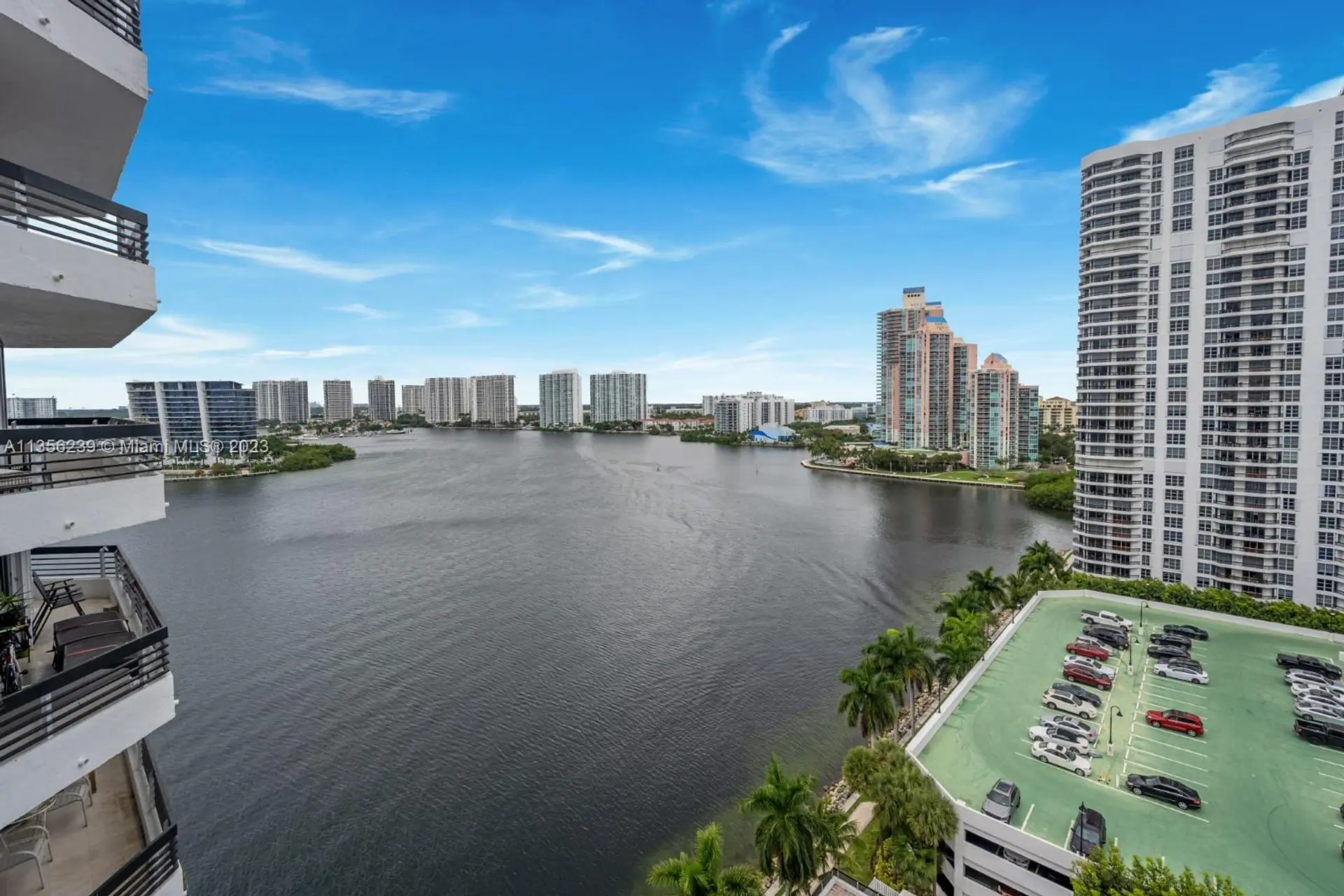
How the HOA works in Florida. Informations not only for property owners in Florida. Reliable source of informations regardin property owning in Florida and paying the cost of maintenance in Florida's houses and condos. Homeowners' Associations (HOAs) are common in Florida, where many communities are governed by rules and regulations that are designed to maintain neighborhood aesthetics and preserve property values. HOAs are typically organized as non-profit corporations and are governed by a board of directors elected by the homeowners. In this article, we will explore how HOAs work in Florida, including their organization, roles and responsibilities, and how they charge money.
Organization of HOAs in Florida
HOAs in Florida are typically established when a community or a subdivision is built, and homeowners are required to become members of the association upon purchasing a property within the community. The HOA is created as a legal entity through the filing of Articles of Incorporation with the Florida Department of State, and it operates under a set of bylaws and covenants that are recorded in the county records where the community is located. The bylaws and covenants outline the rules and regulations that homeowners must abide by, and they also establish the powers and responsibilities of the HOA.
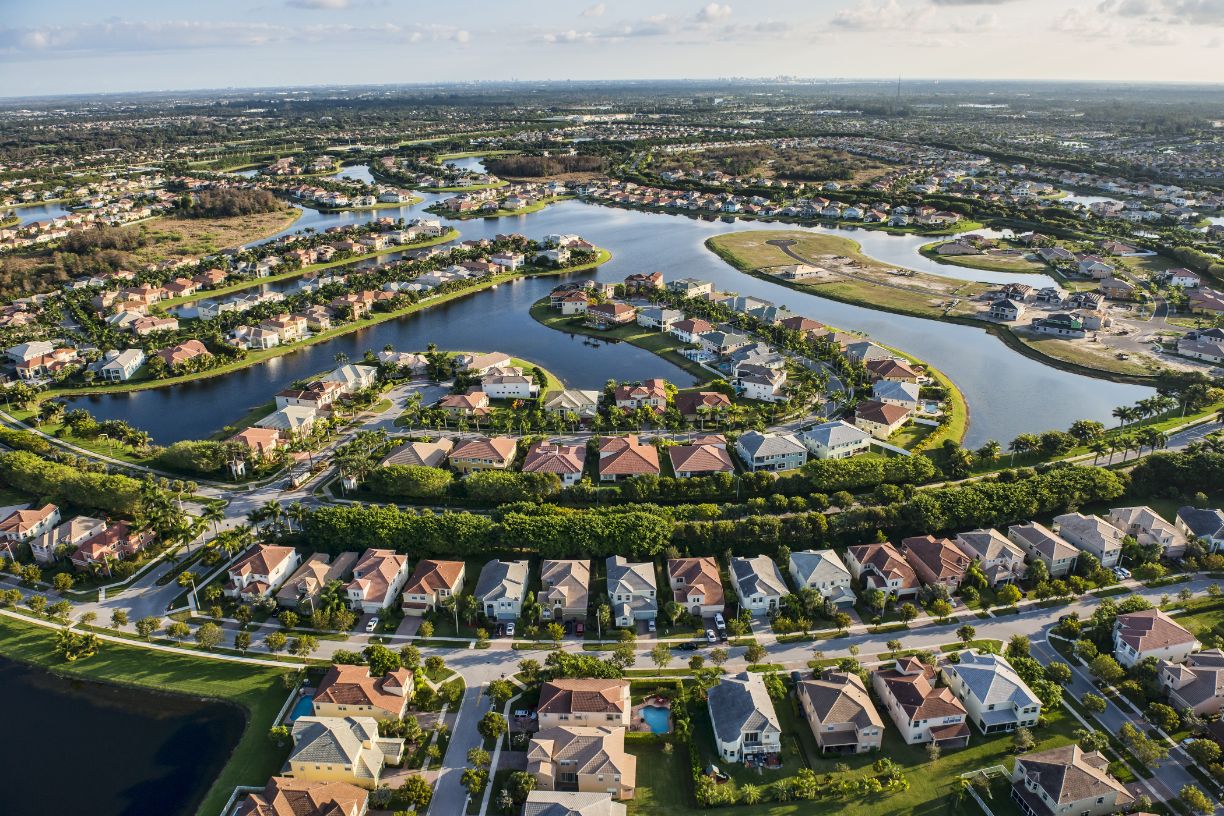
The HOA is typically governed by a board of directors, which is elected by the homeowners. The board is responsible for making decisions on behalf of the association and enforcing the rules and regulations. The number of board members, their qualifications, and the length of their terms are usually defined in the bylaws. The board may also appoint committees or hire professional management companies to assist with the day-to-day operations of the HOA.
Roles and Responsibilities of HOAs in Florida
HOAs in Florida have several roles and responsibilities, which may vary depending on the size and complexity of the community. Some of the common roles and responsibilities of HOAs in Florida include:
-
Rule Enforcement - One of the primary responsibilities of HOAs is to enforce the rules and regulations outlined in the bylaws and covenants. This may include enforcing rules related to property maintenance, architectural guidelines, noise restrictions, and other community standards. The HOA may have the authority to issue fines, impose penalties, and take legal action against homeowners who violate the rules.
-
Maintenance and Repair of Common Areas - HOAs are responsible for the maintenance and repair of common areas within the community, such as roads, sidewalks, parks, clubhouses, and swimming pools. This may include regular maintenance, repairs, and replacement of common area amenities, as well as landscaping, lighting, and other ongoing maintenance tasks.
-
Financial Management - HOAs are responsible for managing the finances of the association, which includes collecting assessments or dues from homeowners, creating and managing a budget, and maintaining financial records. The board of directors is responsible for setting the amount of assessments or dues, which are typically based on the annual budget and the projected expenses of the HOA.
-
Insurance - HOAs are responsible for obtaining and maintaining insurance coverage for common areas and other association property. This may include general liability insurance, property insurance, and other types of insurance coverage as required by law or the association's bylaws.
-
Governance and Administration - HOAs are responsible for conducting meetings, maintaining records, and managing the administrative tasks of the association. This may include holding annual meetings, special meetings, and board meetings, as well as preparing and distributing meeting agendas, minutes, and other communications to homeowners.
-
Legal and Compliance - HOAs are responsible for complying with federal, state, and local laws and regulations, as well as the association's bylaws and covenants. This may include ensuring that the association is properly registered with the state, filing required tax returns, and complying with fair housing laws, environmental regulations, and other legal requirements.
-
Dispute Resolution: HOAs are responsible for resolving disputes among homeowners, as well as disputes with third parties. This may include disputes related to rule violations, assessments, maintenance responsibilities, and other issues that may arise within the community. HOAs may have established dispute resolution procedures outlined in their bylaws, which may involve mediation, arbitration, or legal action if necessary.
How HOAs Charge Money in Florida
How HOA charge money the property owners. HOAs in Florida typically charge money in the form of assessments or dues, which are collected from homeowners to cover the expenses associated with the operation and maintenance of the community. The assessments are typically based on the annual budget that is created by the board of directors and approved by the homeowners.
See also: buying a house in Boca Raton luxury location

Assessments may be collected on a monthly, quarterly, or annual basis, and the amount of the assessments is determined by the board of directors based on the projected expenses of the HOA. The assessments may cover various expenses, including but not limited to:
Operating Expenses
This may include expenses for the day-to-day operation of the HOA, such as landscaping, utilities, insurance premiums, management fees, legal fees, accounting fees, and administrative expenses.
Maintenance and Repairs
Assessments may also cover expenses for the maintenance and repairs of common areas and amenities, such as roads, sidewalks, gates, clubhouses, swimming pools, and parks. This may include routine maintenance tasks, as well as unexpected repairs or replacements.
Reserve Fund
HOAs may also allocate a portion of the assessments to a reserve fund, which is set aside for future major repairs or replacements of common areas and amenities. This may include expenses for roof replacement, painting, resurfacing of amenities, or other significant repairs or replacements.
Amenities and Services
If the HOA provides amenities or services to homeowners, such as security services, landscaping of individual lots, or trash collection, the assessments may cover the expenses associated with these amenities or services.
Administrative and Governance Expenses
Assessments may also cover administrative and governance expenses, such as costs associated with conducting meetings, maintaining records, preparing financial statements, and legal and accounting fees related to compliance with laws and regulations.
Are you new in Florida? Searching property in Florida from overseas? Are you intersted to purchase house or a condo in Florida? Please read: overseas property buyers in Florida
It's important to note that the specific expenses covered by the assessments may vary depending on the community and the bylaws of the HOA. Homeowners are typically provided with a breakdown of the assessments and the expenses they cover in the annual budget and financial statements.
Failure to pay assessments can result in consequences such as late fees, interest charges, suspension of certain privileges or services provided by the HOA, or even legal action, including a lien on the homeowner's property. Therefore, it's important for homeowners to be aware of the assessments and their obligations to pay them in a timely manner.
HOA in Florida state by the law
In Florida state, HOAs play a significant role in maintaining and managing communities, ensuring that they adhere to established rules and regulations, and preserving property values. They are typically organized as non-profit corporations and governed by a board of directors elected by the homeowners. HOAs are responsible for various roles and responsibilities, including rule enforcement, maintenance of common areas, financial management, insurance, governance, legal compliance, and dispute resolution.

HOAs in Florida charge money in the form of assessments or dues, which are collected from homeowners to cover the expenses associated with the operation and maintenance of the community. These assessments may cover operating expenses, maintenance and repairs, reserve funds, amenities and services, and administrative and governance expenses. Homeowners are typically provided with a breakdown of the assessments and the expenses they cover in the annual budget and financial statements.
Also important issue: learn what is MLS property listings in Florida
It's important for homeowners to be familiar with the rules, regulations, and financial obligations of the HOA in their community, and to actively participate in the governance and decision-making processes of the association. By understanding how HOAs work and how they charge money, homeowners can effectively contribute to the well-being and success of their community.
What will happen if property owner do not pay HOA
If a property owner fails to pay their Homeowners' Association (HOA) assessments or dues in Florida, it can have several consequences. HOAs rely on these assessments to cover the expenses associated with maintaining and operating the community, and when homeowners do not pay, it can disrupt the financial stability and operations of the HOA.
Here are some potential consequences of not paying HOA assessments in Florida:
Late Fees and Interest Charges
Most HOAs in Florida have provisions in their bylaws or governing documents that allow them to charge late fees or interest on overdue assessments. These charges can accrue over time and increase the amount owed by the homeowner.
Suspension of Privileges or Services
Some HOAs may have the authority to suspend certain privileges or services provided to homeowners who are delinquent in paying their assessments. This could include suspension of access to community amenities such as pools, gyms, or clubhouse facilities, or suspension of services such as landscaping or trash collection.
Legal Action and Lien on Property
HOAs in Florida have the legal authority to pursue legal action against homeowners who do not pay their assessments. This can include filing a lawsuit to obtain a judgment for the unpaid assessments, late fees, and interest charges. If the HOA obtains a judgment, they may be able to place a lien on the homeowner's property, which can affect the homeowner's ability to sell or refinance the property.
Foreclosure
In some cases, if a homeowner continues to be delinquent in paying their assessments, the HOA may have the authority to initiate foreclosure proceedings against the homeowner's property. However, it's important to note that in Florida, HOAs must follow specific legal procedures and requirements before they can foreclose on a homeowner's property, and homeowners have certain rights and protections under state law.
Damage to Credit Score
Unpaid assessments can also impact a homeowner's credit score. If the HOA reports the delinquent assessments to credit bureaus, it can result in negative marks on the homeowner's credit report, which can affect their ability to obtain credit in the future, such as loans, mortgages, or credit cards.
It's important for homeowners to be aware of the consequences of not paying HOA assessments in Florida and to prioritize meeting their financial obligations to the HOA. It's also essential to review and understand the HOA's governing documents, including the bylaws, covenants, and rules and regulations, to ensure compliance and avoid any potential disputes or legal issues.
If a homeowner is facing financial difficulties and is unable to pay their assessments, it's recommended to communicate with the HOA board or management promptly. Some HOAs may be willing to work out payment plans or make accommodations in certain situations. Seeking legal advice from a qualified attorney who specializes in HOA law can also be beneficial in understanding one's rights and options.
Not paying HOA assessments in Florida can have various consequences, including late fees, interest charges, suspension of privileges or services, legal action, lien on property, and damage to credit score. It's crucial for homeowners to understand and fulfill their financial obligations to the HOA to avoid potential issues and maintain a harmonious relationship with the community and the HOA.
In some Florida housing areas there are so many restrictions regarding Airbnb property rentals in Florida
Common questions regarding HOA in Florida
What is the average HOA fee in Florida?
The average HOA fee in Florida varies depending on the community and its amenities, but it typically ranges from $400 to $1000 per month. In more luxurious urbanizations HOA fees are much higher and can be up to 5.000$ per month and more.
Do all homes in Florida have HOA fees?
Not all homes in Florida have HOA fees. HOAs are typically found in planned communities, gated communities, condominiums, and some single-family home neighborhoods, and membership is usually mandatory for homeowners in those communities.
What is the purpose of an HOA in Florida?
The purpose of an HOA in Florida is to maintain and manage the common areas and amenities within the community, enforce community rules and regulations, and ensure that the community remains well-maintained and adheres to a certain aesthetic standard.
Can I opt out of an HOA in Florida?
Opting out of an HOA in Florida is generally not possible if you purchase a home in a community that has an existing HOA. However, it's essential to review the HOA's governing documents and bylaws before purchasing a property to understand the rules and regulations, as well as any options for opting out, if available.
Does HOA pay property taxes in Florida?
HOAs in Florida do not typically pay property taxes. Instead, individual homeowners are responsible for paying their property taxes directly to the local taxing authority, in addition to their HOA assessments, which cover the costs of maintaining and operating the community's common areas and amenities.
See all Florida's property stories