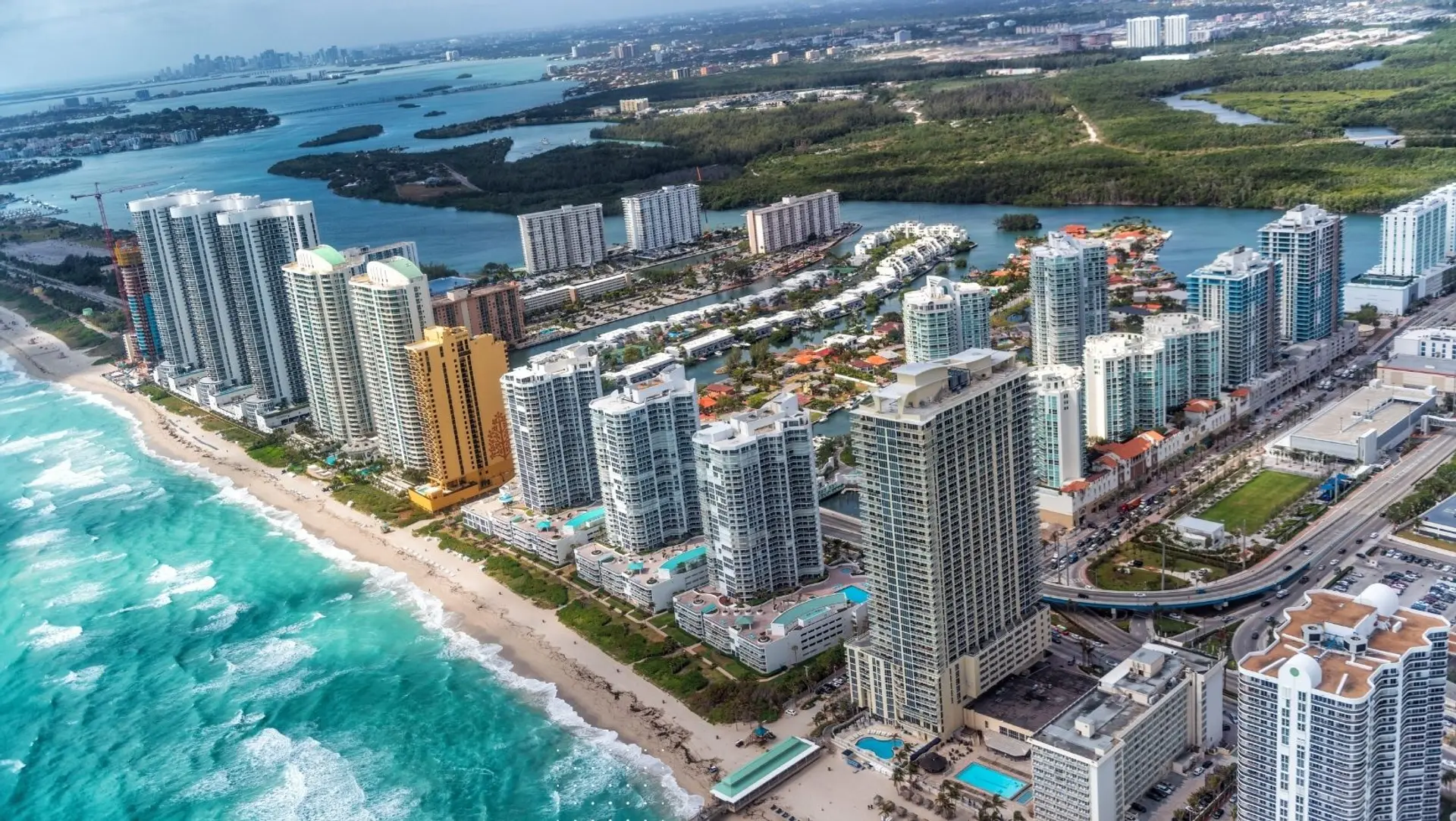
Florida has long attracted international buyers because of its favorable tax climate, strong population growth, and globally recognized lifestyle markets such as Miami, Boca Raton, Naples, Palm Beach, Orlando, and Tampa. Now, Governor Ron DeSantis is pushing a proposal that could significantly change the economics of owning residential real estate in the Sunshine State.
The proposal, announced during a special legislative session in late May 2026, aims to dramatically expand Florida’s homestead exemption and eventually phase out property taxes on primary residences altogether. If implemented, it would represent one of the largest tax reforms in Florida real estate history.

What Exactly Is Being Proposed?
Currently, Florida homeowners who qualify for a homestead exemption can reduce the taxable value of their primary residence by up to $50,000. Under DeSantis’ proposal, that exemption would immediately rise to $250,000, with a long-term roadmap toward full elimination of homestead property taxes.
The Governor stated that:
A $250,000 exemption could eliminate property taxes for roughly 60% of Florida homeowners.
A future increase to $500,000 could potentially make 92% of homesteaded homes effectively property-tax free.
The proposal would still require approval by the Florida Legislature and then a 60% statewide voter approval on the November ballot before becoming law.
Importantly, the proposal applies primarily to homesteaded primary residences — not necessarily investment properties, second homes, or foreign-owned vacation properties.
Why This Matters for International Investors
Many foreign investors focus only on Florida’s lack of state income tax. However, property taxes have become a growing concern over the past several years as property values surged throughout South Florida and other coastal markets.
In some luxury markets, annual property tax bills increased substantially after the pandemic housing boom. Rising insurance costs already pressured carrying costs, and taxes became another major factor affecting affordability and returns.
If Florida successfully reduces or eliminates property taxes for owner-occupied homes, several important market effects could emerge.
1. Florida Could Become Even More Attractive to Relocating Wealth
High-net-worth buyers from states such as New York, New Jersey, Illinois, California, and Connecticut already continue relocating to Florida for tax reasons. Eliminating property taxes on primary residences would further strengthen Florida’s position as arguably the most tax-friendly large state in America.
For affluent international buyers, especially from Latin America, Canada, and Europe, Florida may become even more attractive as a long-term residency destination rather than simply a vacation-home market.
This could especially impact luxury markets including:
Miami Beach
Palm Beach
Boca Raton
Naples
Fort Lauderdale
Sarasota
Higher demand from wealthy residents typically supports long-term price appreciation.
2. Primary Residences Could Gain a Premium Over Investment Properties
One overlooked aspect of the proposal is the distinction between homesteaded homes and non-homestead properties.
International investors who buy purely as foreign investors without establishing Florida residency may not receive the same benefits as full-time Florida residents. This could create a two-tier market:
Homesteaded primary residences become significantly more valuable due to reduced carrying costs.
Investment condos and second homes remain taxed normally.
That dynamic may increase demand for properties suitable for full-time residency rather than short-term vacation use.
For foreign investors considering relocation, obtaining Florida residency could become financially far more attractive than remaining a non-resident owner.
3. Home Prices Could Rise Further
Economists and analysts are already warning that reducing property taxes could immediately increase home values. Realtor.com estimates Florida home prices could rise between 7% and 9% if property taxes were largely eliminated.

Why?
Because lower carrying costs generally allow buyers to afford more expensive homes. A homeowner saving several thousand dollars annually in taxes may justify paying a higher purchase price.
For investors already owning Florida property, this could create additional appreciation upside.
For buyers waiting on the sidelines, however, the proposal could accelerate competition and reduce affordability further.
4. Rental Markets Could Strengthen
If more residents decide to purchase homes because of tax advantages, migration into Florida may continue accelerating. At the same time, affordability challenges could still prevent many residents from buying.
That combination often strengthens rental demand.
Cities with strong employment growth and international migration — including Miami, Orlando, Tampa, and Jacksonville — may continue seeing healthy rental absorption, particularly for well-located apartments and single-family rentals.
The Biggest Concern: How Will Local Governments Replace the Revenue?
Property taxes fund schools, police, fire departments, infrastructure, parks, and many local government services.
Critics argue that removing billions in property tax revenue could force local governments to:
Increase sales taxes
Add new fees
Reduce public services
Shift tax burdens onto businesses and investors
Increase taxes on non-homesteaded properties
Several city and county officials have already expressed concerns about funding essential services if the proposal moves forward.
This is especially important for investors to understand.
Even if homestead owners receive relief, non-homesteaded investment properties could potentially face higher relative tax burdens in the future as municipalities search for replacement revenue.

Kup nieruchomość na Florydzie z polskim wsparciem. Pełna obsługa od A do Z. Kontakt
What International Investors Should Watch Closely
At this stage, nothing has changed legally yet. Current Florida property tax rules remain fully in effect.
However, smart investors should monitor several developments carefully over the coming months:
Legislative Approval
The proposal must survive negotiations in Tallahassee, where some lawmakers remain skeptical about implementation details and local government funding concerns.
Ballot Language
The exact wording of the constitutional amendment will matter enormously.
Treatment of Foreign Owners
One critical unanswered question is whether non-resident owners or foreign investors could face indirect disadvantages versus Florida residents.
Market Reaction
Even before any law changes, buyer psychology alone can impact pricing, inventory, and demand.
Strategic Outlook for 2026 and Beyond
From a real estate perspective, Florida remains one of the strongest long-term growth markets in the United States due to:
Population migration
International demand
Business relocation
Lifestyle appeal
Favorable taxation
Limited coastal inventory in prime luxury areas
If Florida substantially reduces homestead property taxes, the state could become even more competitive globally against other low-tax destinations.
For international investors, the key takeaway is this:
Florida is increasingly rewarding long-term residency and primary homeownership — not just passive investment ownership.
That distinction may shape the next phase of the Florida real estate market.
Investors who understand these policy shifts early may be better positioned to identify opportunities before the broader market fully prices in the changes.